
Community In Action
How Volunteers at Safe Place for Youth Create Lasting Impact
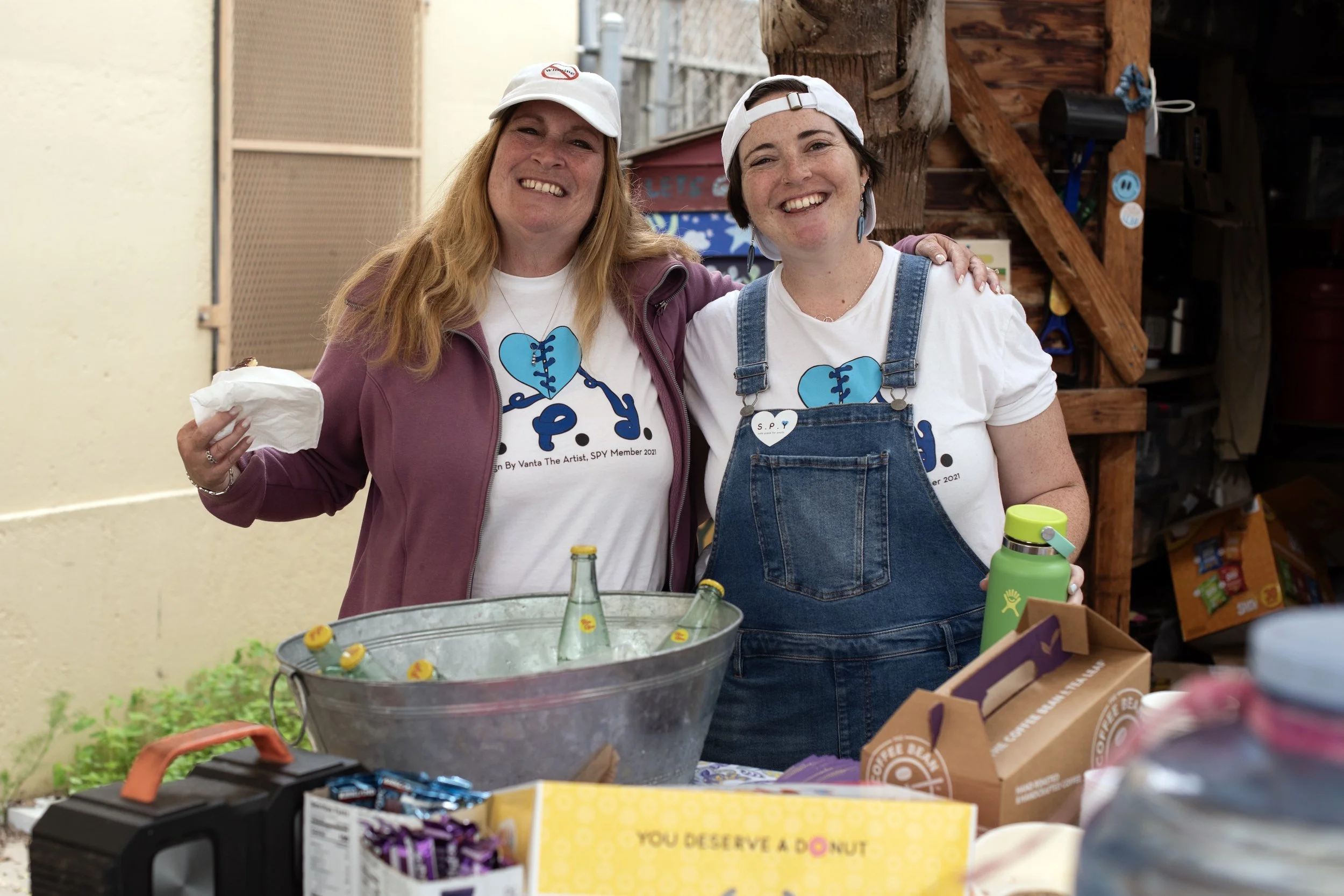
At Safe Place for Youth (SPY), volunteers provide more than just a helping hand. Our volunteers provide community to our members built on care, compassion, and connection. Whether they're serving a warm meal, beautifying the community garden, or leading a workshop, SPY volunteers are part of a deeply empathetic mission: to support young people navigating the challenges of homelessness and help them build brighter futures.
From its grassroots beginnings in 2011, when a small group of friends started handing out hygiene kits and food along the Venice boardwalk, SPY has grown into a vital hub for youth experiencing homelessness, offering services that span everything from case management to housing navigation and more. Through it all, the spirit of volunteerism has remained at the core.
Why Volunteer?
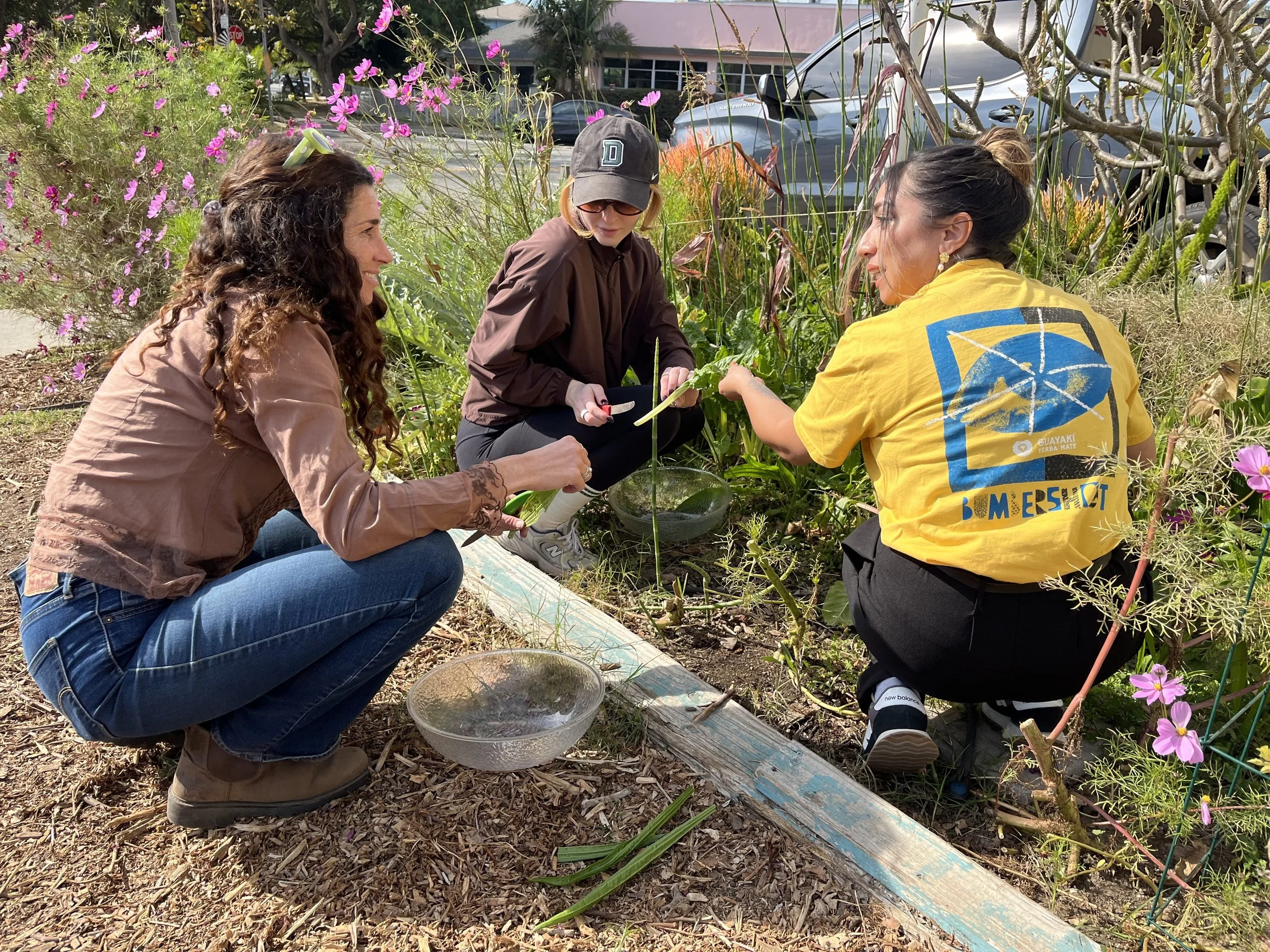
Volunteering at SPY is about creating lasting care and connection for our youth to their community.
“It’s not just about the actual work being done,” shares Emily Kalbrosky, SPY’s Volunteer and Community Engagement Manager. “Volunteers create a space of community care. For many of our members, knowing someone chooses to show up, not because they’re paid to, but because they want to — can be incredibly powerful.”
This simple but profound presence reminds young people that they are seen, valued, and not forgotten. Volunteers help create a ripple effect beyond the walls of the Drop-In Center, becoming advocates for youth homelessness within their own families, social circles, and workplaces.
Kalbrosky previously worked with a prison education program in Oregon, providing higher education opportunities within state prisons. Many of the participants had been incarcerated since before the age of 18. Following that role, Kalbrosky worked at a juvenile detention center, supporting those aged 12-18 post-crime. “I realized there are a lot of people who want to help but don’t always have the capacity for full-time direct service. My role here at SPY is really about welcoming those people into the work—offering them a way to contribute meaningfully to their community using the time and resources they have.”
Opportunities to get involved
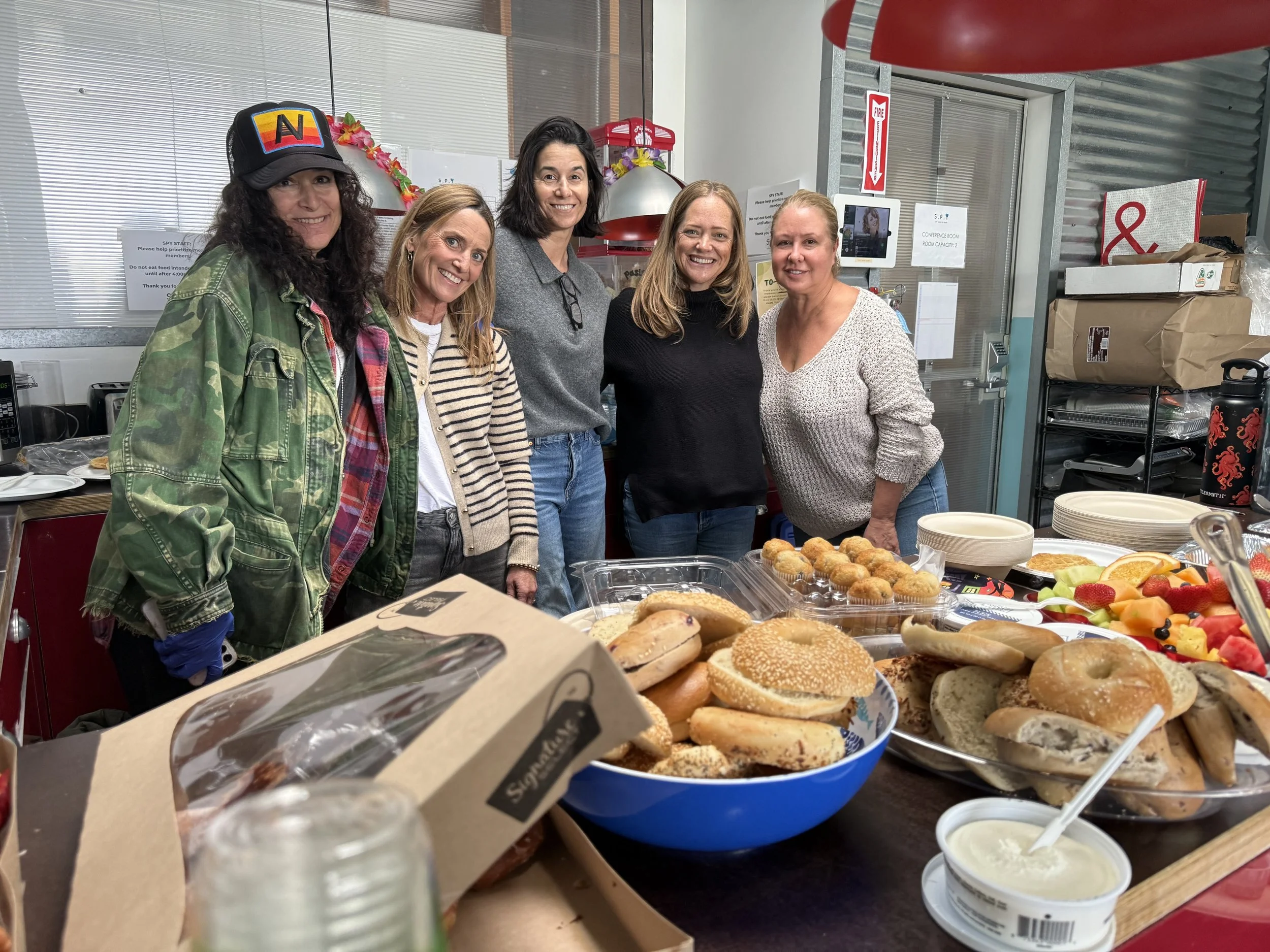
One of the most immediate and ongoing needs at SPY is meal service. Volunteers help prepare and serve breakfast and lunch at the Drop-In Center, freeing up staff to focus on critical services like housing applications, job placement, and case management. The commitment is flexible but meaningful: just one shift a month can make a huge difference.
“Right now, if we had even 5-10 new consistent volunteers willing to serve one shift a month, it would significantly strengthen the support we can offer our youth,” Kalbrosky says.
However, there are plenty of volunteer opportunities for individuals, groups, corporations, and more. If you’re willing to get involved, we would love to have you! Check out our volunteer opportunities here.
How We’ll Continue to Grow
While the Volunteer program does amazing work, there are still ways to expand and continue providing this life-changing work.
“I’d love to expand volunteer education and advocacy,” says Kalbrosky. “One of the best things about volunteers coming to SPY is that they learn more about youth homelessness and hopefully walk away better equipped to advocate for the community in their personal lives. Meeting and interacting with youth at SPY humanizes the issue – breaking the stigma and strengthening the understanding that these are just young people in need of support. I'd love to grow the program to offer more training and advocacy opportunities so that connection deepens even further.”
Our Call to Action
While the Volunteer program does amazing work, there are still ways to expand and continue providing this life-changing work.
“I’d love to expand volunteer education and advocacy,” says Kalbrosky. “One of the best things about volunteers coming to SPY is that they learn more about youth homelessness and hopefully walk away better equipped to advocate for the community in their personal lives. Meeting and interacting with youth at SPY humanizes the issue – breaking the stigma and strengthening the understanding that these are just young people in need of support. I'd love to grow the program to offer more training and advocacy opportunities so that connection deepens even further.”